Why Midnight Scrolling Feels So Magnetic (It Isn't Laziness)
People blame themselves for doomscrolling in bed as if it were a moral weakness. In reality, scrolling at 11 PM is an improvised sedative for an unquiet mind. All day long, tasks, notifications, and conversations keep your threat-scanning thoughts in the background.
The moment you turn off the bedroom light, the silence acts like a megaphone: unfinished emails, awkward moments from three days ago, and tomorrow's schedule rush straight to the front.
Grabbing your phone instantly drowns out that internal noise—at the brutal cost of blue light, dopamine spikes, and 45 lost minutes of deep sleep. That is why 'just put your phone away' fails.
If you remove the distraction without giving your racing thoughts a fast, physical exit ramp, your hand will reach back for the charger within three nights.
The Realistic 15-Minute Analog Wind-Down
This sequence was built for normal, tired weekdays—starting just fifteen minutes before you actually want to be asleep:
- Minute 0 — Plug your phone in across the room: Not face-down on the nightstand—six feet away, out of arm's reach. Adding five physical steps breaks the unconscious midnight grab completely. (If you rely on it for an alarm, you'll wake up faster too.)
- Minute 1 — Warm bedside lamp only: Kill overhead white LEDs and bathroom glare. Soft, low-angle amber light signals your circadian clock that the workday is officially over and allows natural melatonin release to begin.
- Minute 3 — Five physiological sighs: Take two gentle inhales through your nose (one full breath, then a tiny top-up sip of air) followed by one long, unhurried exhale through your mouth. Five rounds take under a minute and visibly drop heart rate.
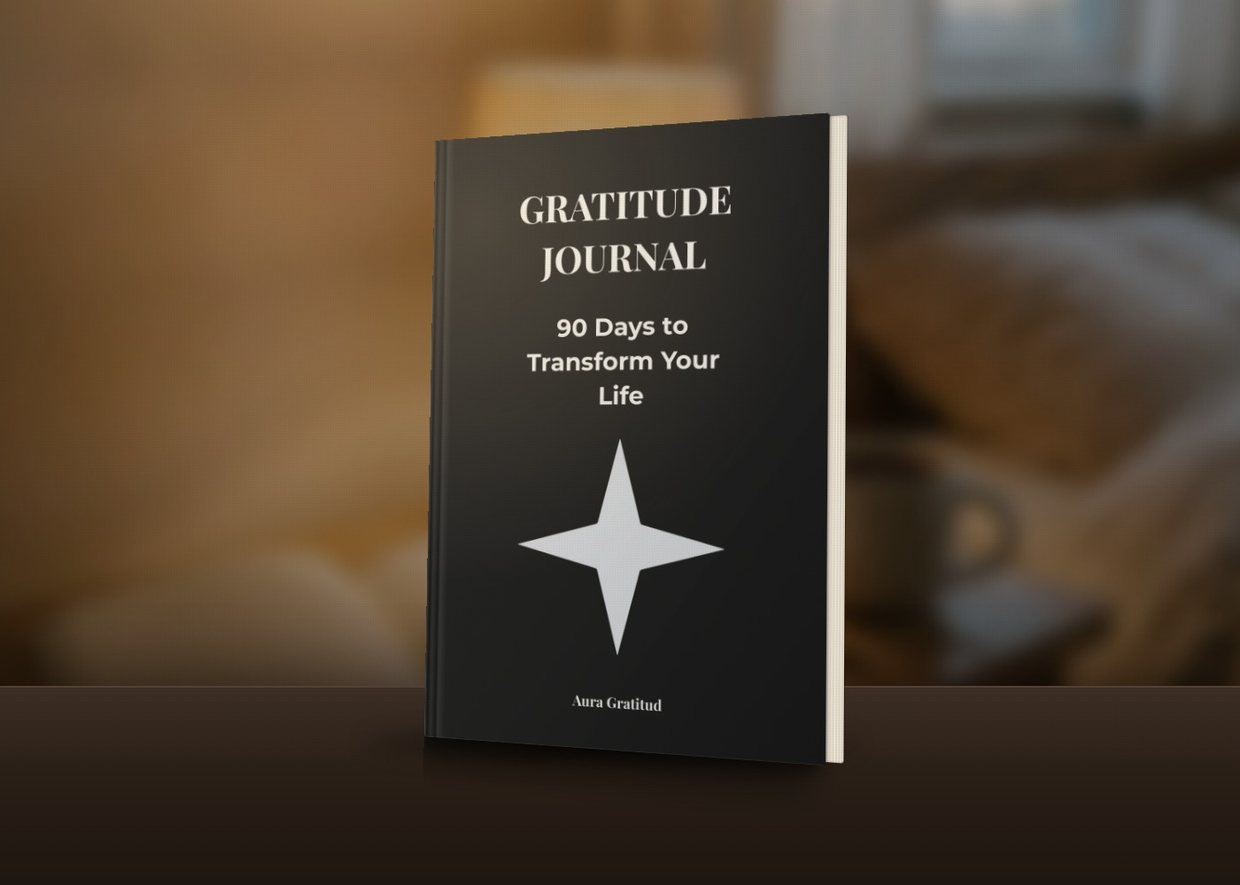
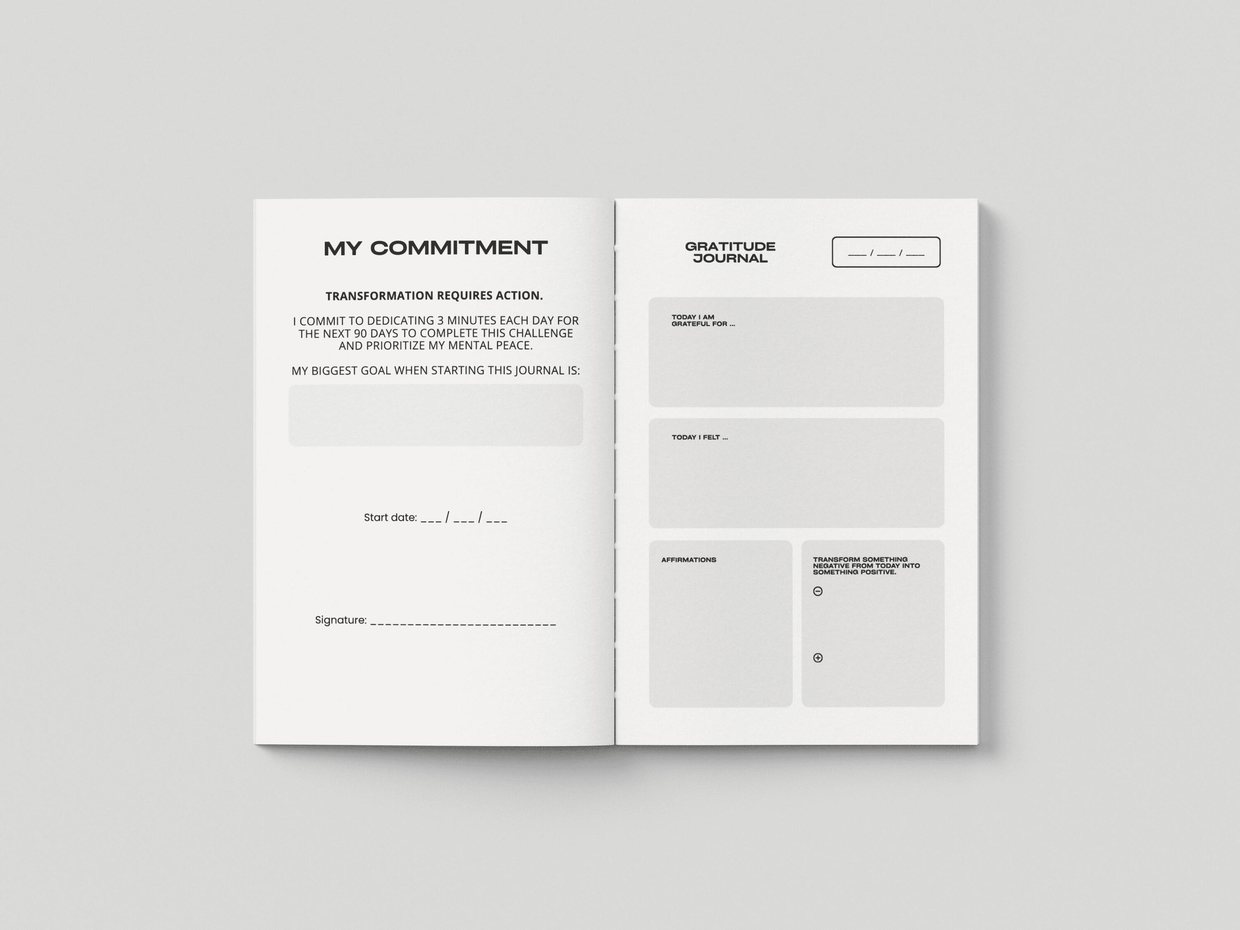
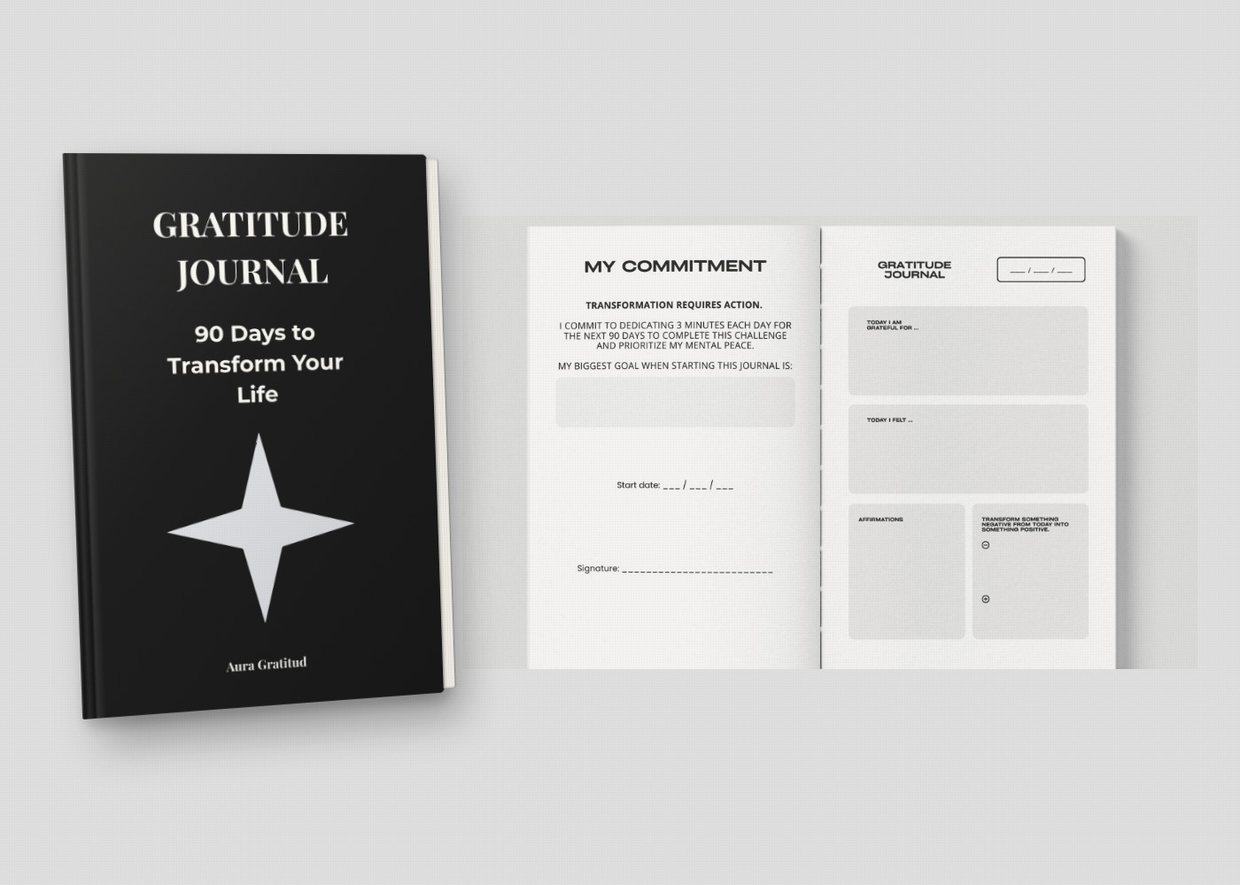
- Minute 5 — Three minutes on paper (the real off-switch): Open to one clean 4-box page. Record three ordinary things that went right, name one honest feeling from today, write one calm closing line, and offload the single circling worry beside (⊖ → ⊕). Close the book.
- Minute 8–15 — Five pages of light fiction or straight to darkness: Let a low-stakes paperback—or quiet darkness—carry your mind into sleep instead of mentally editing tomorrow's calendar.
Why Step 4 Changes the Entire Night
In a controlled sleep-laboratory study at Baylor University (Michael Scullin et al., 2018), participants who spent just a few minutes writing down unfinished thoughts before bed fell asleep measurably faster than participants who tried to relax without writing.
The more specific the written offload, the faster they drifted off.
Handwriting does something thinking cannot: it moves open loops out of fragile working memory and onto permanent ink.
Once your brain sees the worry physically captured on paper—paired with three quiet pieces of evidence that today was safe—it stops pinging you at 2:15 a.m. to remind you not to forget.
What to Do on Nights You Come Home Late or Exhausted
The secret to keeping an evening routine for 90 days is having a 2-minute minimum version for chaotic nights.
On evenings when you collapse into bed past midnight, skip the reading and skip perfection: plug the phone across the room, take two slow exhales, write three bullet words in your journal, and turn off the lamp. Protecting the cue matters far more than writing an essay.