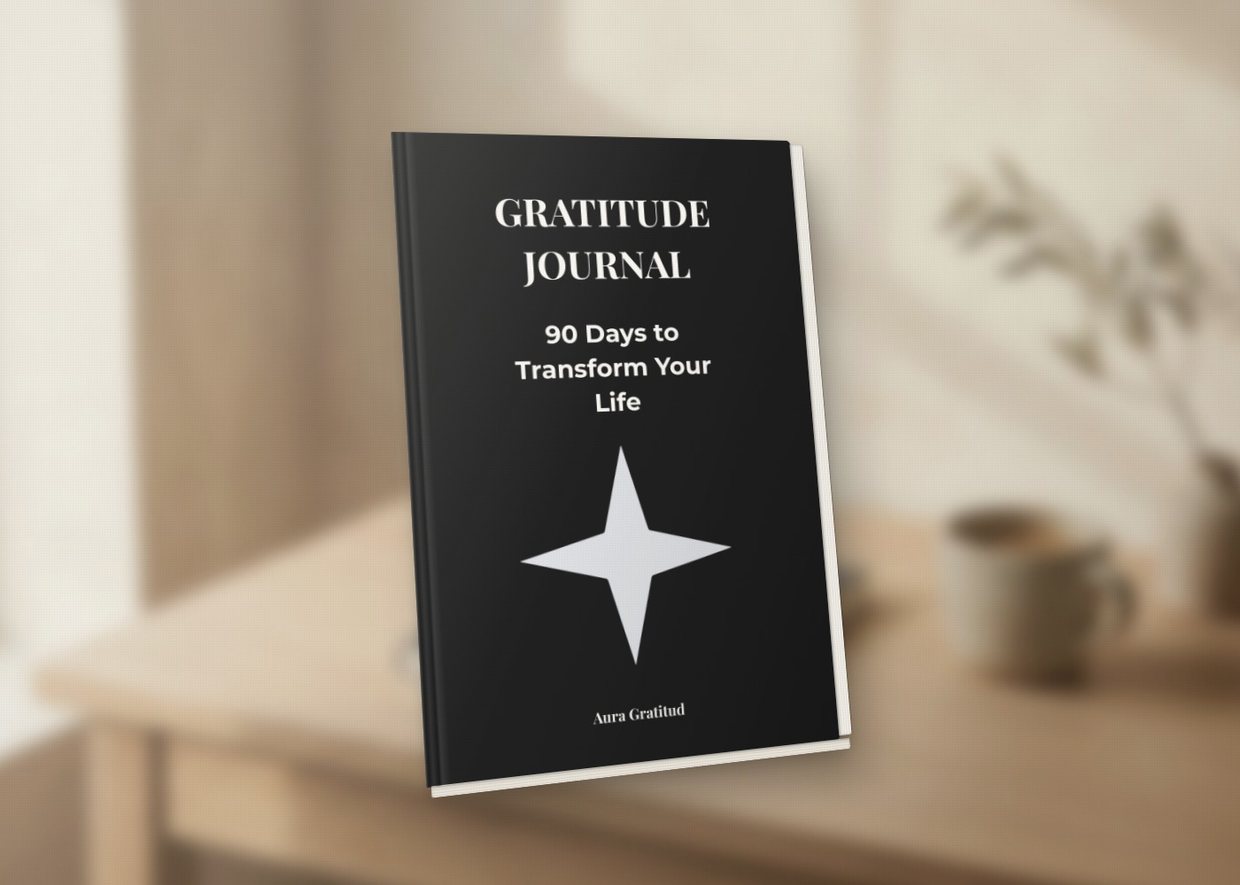
Why Random Sticky-Note Brain Dumps Often Increase Anxiety
A standard productivity brain dump works wonderfully at 9:00 AM with a cup of coffee when you can immediately start crossing items off.
At 10:45 PM, scribbling a chaotic 25-item panic list on a scrap of paper often backfires completely: you end up staring at a giant wall of everything you didn't finish, spiking cortisol right before you try to sleep.
A genuinely calming evening brain dump needs two guardrails a raw to-do list lacks: a tight cap on how many open loops you unload, and an intentional closing sequence that shifts your brain from deficit ('look what's undone') to completion ('today is closed').
The 3-Minute Structured Unload (4 Clean Steps)
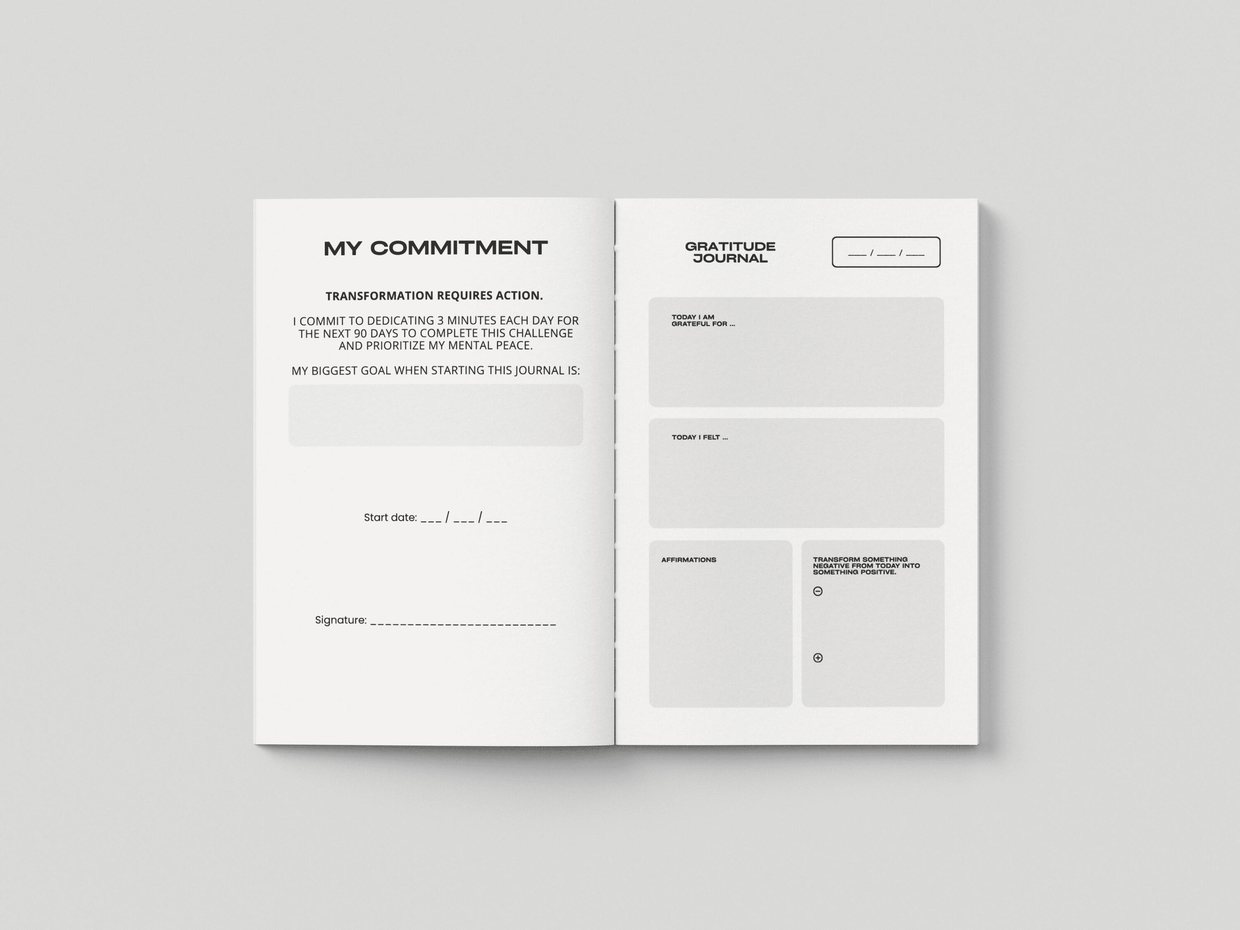
- Park only the top 1–2 circling loops (⊖ → ⊕): Ask yourself: What specific unfinished thought is most likely to wake me up tonight? Write it beside (⊖). Beside (⊕), write either one tiny next morning step ('Email Alex at 9 AM') or a firm boundary ('Not tonight'). Externalizing the loop turns off the Zeigarnik Effect's background alarm.
- Label the mental state (Today I felt…): Jot one or two precise words ('scattered,' 'overstretched,' 'quietly satisfied'). Naming the state separates genuine urgency from ordinary end-of-day fatigue.
- Close on completion (Today I am grateful for…): List three concrete things that worked or got finished today—even small ones. Ending on tangible wins counters the brain's habit of zooming in exclusively on unfinished work.
- Lock the boundary (Affirmations): One crisp closing sentence ('Off duty until morning') before setting down your pen and clicking off the light.
How an Evening Offload Protects Tomorrow's Deep Focus
Workplace focus researcher Dr. Gloria Mark (UC Irvine) has shown how lingering mental fragments—known as attention residue—quietly drain cognitive bandwidth long after a task is paused. When you fall asleep mentally organizing tomorrow's inbox, you wake up already mentally fragmented before your feet touch the floor.
Giving those loose threads three calm minutes on paper the night before clears your working memory overnight. You fall asleep faster, stay asleep longer, and sit down at your desk the next morning knowing exactly where your first calm block begins.